
Aircraft Acceptance: Why Real Work Begins Before Delivery
Taking delivery of an aircraft is an important milestone for any airline. Whether expanding the fleet, replacing aging equipment, or introducing a new aircraft type, the delivery process represents a significant financial commitment and the beginning of new operational responsibilities.
However, one of the most important stages of aircraft acquisition often takes place before the aircraft ever enters commercial service.
Aircraft acceptance is much more than a physical inspection. It is an essential exercise in technical, regulatory, contractual, and financial risk management.
A comprehensive acceptance process should verify that the aircraft complies with agreed delivery conditions, applicable airworthiness requirements, and the operator’s intended operational needs.
This involves examining several critical areas.
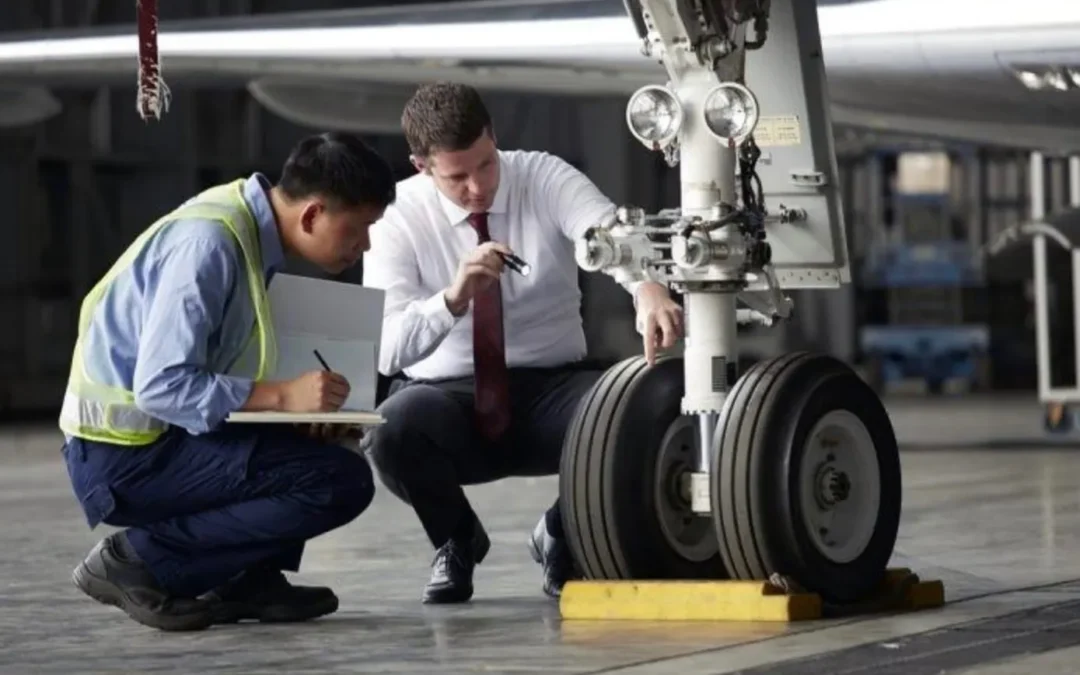
The physical inspection evaluates the aircraft’s exterior, interior, cabin configuration, systems, and general condition. Technical records reviews establish whether maintenance history, airworthiness directives, modifications, repairs, and component documentation are complete and properly traceable. These reviews are essential for evaluating compliance with applicable maintenance requirements and identifying any outstanding maintenance obligations that could affect the aircraft’s readiness for service.
Depending on the delivery requirements, demonstration flights and additional technical inspections may also be necessary.
But the acceptance process should go beyond identifying discrepancies.
Every finding must be properly documented, evaluated, and addressed according to the purchase or lease agreement. Some discrepancies may require correction before delivery, while others may be managed through specifically agreed post-delivery arrangements.
The financial consequences of inadequate due diligence can be significant.
Missing records, unresolved technical discrepancies, or deviations from contractual delivery conditions can lead to unexpected maintenance expenses, operational delays, regulatory complications, and future difficulties during aircraft transitions. A structured acceptance process helps operators identify potential risks early, assess their financial implications, and establish a clear plan for corrective action before assuming responsibility for the aircraft.
Coordination is therefore essential.
Airlines, lessors, maintenance providers, technical representatives, and regulatory authorities must work together to ensure that the aircraft is delivered in accordance with applicable requirements.
For airlines operating with limited technical resources, independent acceptance support can provide additional expertise and an objective assessment of the aircraft’s condition. This independent oversight can be particularly valuable for operators managing fleet expansion, aircraft leasing arrangements, or ACMI services, where delivery timelines, maintenance responsibilities, and operational readiness must be carefully coordinated.
The objective is not simply to accept aircraft on schedule. It is to ensure that the airline understands exactly what it is accepting and the obligations that accompany that decision.
A Real-World Perspective
In one of our recent engagements, a growing U.S.-based charter and wet-lease operator approached B+B Solutions to provide independent technical support in conducting physical aircraft inspections as part of its preparation for receiving aircraft. Our team performed detailed assessments of the aircraft’s physical condition, identifying several areas that required additional attention before the planned handover. These findings provided the operator with valuable visibility into potential technical issues, allowing its management and maintenance teams to evaluate the necessary corrective actions and better prepare for the upcoming work.
This experience reinforced an important principle: independent technical inspections are not simply about identifying discrepancies. They are about providing operators with an objective assessment that supports informed decisions, improves maintenance planning, and helps reduce the risk of unexpected costs or delays. Whether preparing an aircraft for delivery, a major maintenance event, or a fleet transition, having experienced independent eyes on the aircraft can make a meaningful difference.
A thorough acceptance process gives operators a clearer understanding of an aircraft’s condition, outstanding maintenance needs, and potential risks before taking delivery. This insight helps teams plan ahead, avoid unexpected costs, and prepare the aircraft for a smoother entry into service.
Aircraft acceptance should never be treated as a procedural formality. The decisions made before delivery can influence operational reliability, maintenance costs, and asset value for years to come.
B+B Perspective
At B+B Solutions, we support airlines, aircraft owners, and lessors throughout the aircraft acceptance process. Our technical specialists provide independent physical inspections, technical records reviews, delivery coordination, and aircraft transition support to help identify potential risks before they become costly problems.
Our approach helps operators assess technical risks, review maintenance documentation, and identify potential compliance concerns before taking responsibility for an aircraft. By addressing these issues early, airlines and lessors can make better-informed decisions and prepare more effectively for entry into service.
An aircraft delivery should mark the beginning of a successful operation, not the beginning of unexpected technical and financial challenges. B+B Solutions can help protect your investment before you sign the acceptance certificate.
Planning an Aircraft Delivery or Fleet Transition?
Are you confident that your next aircraft meets its agreed delivery conditions and that potential technical risks have been identified before acceptance?
Let’s discuss your current setup and identify priority focus areas.
Book a 30-Min Consultation
Our dedicated customer service team is here to assist you with any questions, concerns, or inquiries you may have. Whether you need help with a specific topic or any related queries.